Paul Desmond - Bridge Over Troubled Water (LP)
- LP
- 1 piece(s)
- 1969
- 10 tracks
- 36 min
- cool jazz
Bridge Over Troubled Water
Whether you're just starting your vinyl collection or have been spinning for years, the right turntable makes all the difference. We've selected the best options for every budget.
Discover our selection of turntables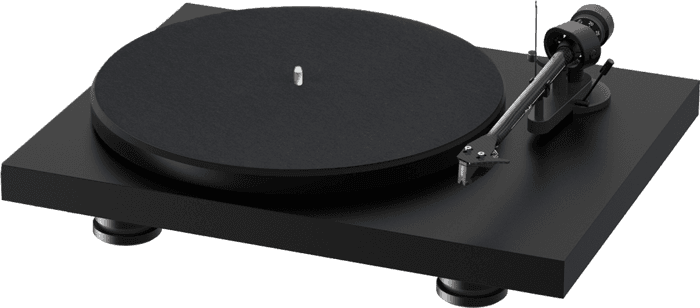
5.0
Average of 6 reviews
6
0
0
0
0
Whether a review is positive, negative, or neutral, we always publish it. However, we screen every review to ensure it is authentic and free of profanity. These checks happen automatically, though a human occasionally steps in. We never pay for reviews.
Words can't express how amazing this incredible piece is. The stage is super wide and deep with sound that's so crisp and tight! Absolutely outstanding!!! Paul Desmond, Airto Moreira, Herbie Hancock, Bill Lavorgna...So far ahead of their time.
I'm at a loss for words to describe this amazing piece of work! The stage is incredibly wide and deep with sound that's so crisp and tight! Absolutely outstanding!!! Paul Desmond, Airto Moreira, Herbie Hancock, Bill Lavorgna... They were truly ahead of their time.
An Excellent Jazz Interpretation of Timeless Pop TunesEarly in his career, Paul Desmond was notably part of The Dave Brubeck Quartet, joining at its start in 1951 and staying until 1967. During this time, he composed their biggest hit, “Take Five”, toured globally, and even owned a 20% share in the group. After this lengthy, successful, and draining period with the quartet, Desmond essentially retired. A few years later, he was persuaded to record music again, which proved to be a fantastic decision. There's something unique about the records Desmond created after his return. Recording under his own name for the first time, he developed a style quite different from his work with Brubeck. From the album “Desmond Blue” (1962) to “Bridge Over Troubled Water” (1970), Desmond's music was deeply rooted in the west coast style: minimally arranged, played slower with fewer notes, and extracting every ounce of emotion from the melodies. Listeners who prefer bop and busier jazz arrangements might not appreciate it, but many others did, and Desmond's solo career flourished. This album takes all the wonderful Simon and Garfunkel songs and places them in a jazz context. However, there's nothing predictable or formulaic here. Each rendition breathes new life into the originals with an engaging jazz twist. If there's a pattern, it's Desmond's exquisite playing of the melody, beautifully supported by Herbie Hancock on electric piano, either restating it or reworking it slightly. The title track stands out with Desmond playing throughout and between a gorgeous Don Sebesky string arrangement. Some critics argued that Sebesky overdid it, but fifty years later, that critique doesn't hold up. There's orchestration on every track here—similar to “Desmond Blue”. The difference is the Latin percussion by Airto Moreira and others bubbling under most of the songs on “Bridge…”. Also, guitarist Jim Hall isn't as prominent as on most of the other records from this era. Still, Desmond's second greatest collaborator, Hall, fits seamlessly into the role he played on the previous albums and delivers some stunning parts—as on “So Long, Frank Lloyd Wright”—with a subtle riff on the melody that gives this particular tune a fresh new dimension. The playing throughout this album is exquisite. No one is merely comping or blandly backing up the leader. It's all original, fitting together in the most melodic way to provide new jazz interpretations of some of the most beautiful pop songs ever written and performed. Fans of S&G will be delighted. -Monty Orrick
An Excellent Jazz Interpretation of Timeless Pop Hits In the early stages of his career, Paul Desmond gained recognition as a key member of The Dave Brubeck Quartet, from its formation in 1951 until the group disbanded in 1967. During this period, he composed their most celebrated song, "Take Five," embarked on global tours, and even held a 20% financial share in the group. Following this lengthy, successful, yet demanding tenure, Desmond essentially stepped away from music. A few years later, he was persuaded to return to recording, which fortunately turned out to be a brilliant decision. There's something extraordinary about the albums Desmond created post-retirement. Recording under his own name for the first time, he developed a unique style that differed significantly from his work with Brubeck. From the album "Desmond Blue" (1962) to "Bridge Over Troubled Water" (1970), Desmond's music was deeply rooted in the West Coast jazz scene: minimally arranged, played at a slower pace with fewer notes, and fully exploring the melodies. While fans of bop and more complex jazz arrangements might not appreciate it, many others did, and Desmond's solo career flourished. This album reimagines all the iconic Simon & Garfunkel tunes in a jazz context. However, there's nothing predictable or formulaic about it. Each rendition breathes new life into the originals through an engaging jazz lens. If there's a pattern, it's Desmond's exquisite melodies, beautifully accompanied by Herbie Hancock on electric piano, either echoing or reinterpreting them. The title track stands out with Desmond playing throughout and between a stunning Don Sebesky string arrangement. While some critics argued that Sebesky overdid it, that opinion doesn't hold up fifty years later. Every song on this record features orchestration—similar to "Desmond Blue." The difference lies in the Latin percussion by Airto Moreira and others that underpins most tracks on "Bridge...". Additionally, guitarist Jim Hall is less prominent here than on most other records from this era. Nevertheless, Desmond's second most significant collaborator, Hall, seamlessly integrates into his familiar role and delivers gorgeous parts—as heard in "So Long, Frank Lloyd Wright"—with a subtle riff that adds a new dimension to the tune. The entire album is filled with exquisite playing. No one is merely comping or providing bland backing; every contribution is original and harmoniously blends to offer fresh jazz interpretations of some of the most beautiful pop songs ever written and performed. Simon & Garfunkel fans will be thoroughly satisfied. -Monty Orrick
A Wonderful Jazz Interpretation of Classic Pop TunesEarly in his career, Paul Desmond was notably part of The Dave Brubeck Quartet, starting in 1951 and staying until the group disbanded in 1967. During this time, he composed their most famous song, "Take Five," toured globally, and even owned a 20% share in the group. After this lengthy, successful, and draining period with the quartet, Desmond essentially retired. A few years later, he was persuaded to record again, which fortunately turned out to be a great decision.There's something unique about the several albums Desmond created after his comeback. Recording under his own name for the first time, he developed a style quite different from his work with Brubeck. From the album "Desmond Blue" (1962) to "Bridge Over Troubled Water" (1970), Desmond's work was deeply rooted in the west coast style: lightly arranged, playing slower with fewer notes, and drawing out the melodies to their fullest. Listeners who favor bop and busier jazz arrangements might not appreciate it, but many others did, and Desmond's solo career truly blossomed.This album places all the wonderful Simon and Garfunkel tunes in a jazz context. However, there's nothing predictable or formulaic here. Each rendition breathes new life into the originals with an engaging jazz twist. If there's a pattern, it's Desmond playing the melody beautifully accompanied by Herbie Hancock on electric piano, either restating it or reworking it slightly. The title track is a bit different, with Desmond playing throughout and between a lovely Don Sebesky string arrangement. That has been a criticism of this album—that Sebesky overdid it—but fifty years later, that review doesn't hold up.There is orchestration on every song here—similar to "Desmond Blue." The difference is the Latin percussion by Airto Moreira and others bubbling under most of the tracks on "Bridge...". Also, guitarist Jim Hall is not as prominent as on most of the other records from this period. Still, Desmond's second greatest collaborator, Hall, fits comfortably into the role he played on the previous records and delivers some beautiful parts—as on "So Long, Frank Lloyd Wright"—with a subtle riff on the melody that gives this particular tune a whole new dimension. There is exquisite playing throughout this album. No one is merely comping or blandly backing up the leader. It's all original, fitting together in the most melodic way to give new jazz interpretations to some of the prettiest pop songs ever written and sung. Fans of S&G will not be let down. -Monty Orrick
We don't have a live price right now, but stock fluctuates daily. You can check for hidden stock on Amazon directly, or let us alert you as soon as it is available.