Dmitri Shostakovich - Shostakovich: Symphony No. 13, "Babiy Yar" (LP)
- 2009
- 5 tracks
- 1 uur
- classical
Shostakovich: Symphony No. 13, "Babiy Yar"
Whether you're just starting your vinyl collection or have been spinning for years, the right turntable makes all the difference. We've selected the best options for every budget.
Discover our selection of turntables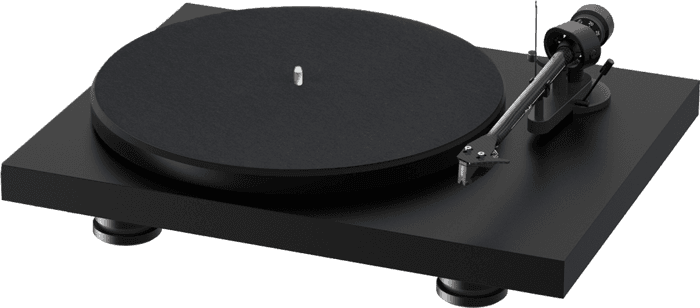
No reviews yet
Whether a review is positive, negative, or neutral, we always publish it. However, we screen every review to ensure it is authentic and free of profanity. These checks happen automatically, though a human occasionally steps in. We never pay for reviews.
We don't have a live price right now, but stock fluctuates daily. You can check for hidden stock on Amazon directly, or let us alert you as soon as it is available.