Ennio Morricone - Il sorriso del grande tentatore (LP)
- LP
- 1 piece(s)
- 2024
- 16 tracks
- 1 uur, 2 min
- soundtrack
Il sorriso del grande tentatore
Whether you're just starting your vinyl collection or have been spinning for years, the right turntable makes all the difference. We've selected the best options for every budget.
Discover our selection of turntables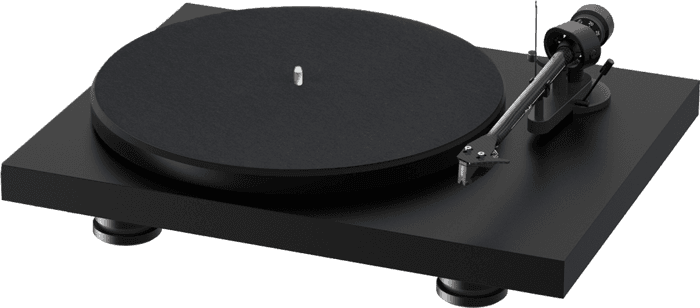
4.0
Average of 1 reviews
0
1
0
0
0
Whether a review is positive, negative, or neutral, we always publish it. However, we screen every review to ensure it is authentic and free of profanity. These checks happen automatically, though a human occasionally steps in. We never pay for reviews.
Among the maestro’s most enchanting compositions lies this captivating score. A longtime favorite of Ennio Morricone, his experimental work for the film shifts seamlessly between liturgical, suspenseful, dramatic, and ultimately epic in scale. Though the tale of the troubled Sister Geraldine (Glenda Jackson), who oversees the unfortunate residents of her Rome-based convent’s hospital wing, may not initially seem to lend itself to grand cinematic proportions, Morricone’s renowned score stands as one of his most exquisite and intricately crafted works. The depth of the score is concentrated on portraying the nun’s stern treatment of her distressed charges and their mental torment, with Morricone’s diverse interpretations of revered pieces like the “Dies Irae,” “Stabat Mater,” and “Laura Sion,” performed by the Chorus Of White Voices of Arcum. Under the guidance of founder Paola Lucci, their invaluable contributions may also reflect the composer’s deep devotion to Christianity. Regardless of your interest in—or disregard for—the film, Morricone’s renditions of the Ecclesiastical music are executed in a focused, modern style that remains deeply rooted in the sacred nature of church music. Incorporating instruments such as piano, guitar, percussion, and organ into the choir’s unsettling yet strangely comforting performances, the definitive collection of his music was finally released on this 2010’s Beat Records CD digipak. The disc kicks off with two versions of “Veni Sancte Spiritus.” The first piece is a bold, somewhat foreboding composition that culminates in a dark rock ensemble finale, with vocal soloists barking and taunting eerily amidst minor Moog effects. The second version begins with bass guitar and defiant chants, enhancing the enthralling mood of the score’s entirety. The organ and treated vocals proceed uninhibited, accompanied by an omnipresent metronomic ticking. The chorus sings “Stabat Mater” unaccompanied by standard acoustics. (Morricone would later engage Lucci’s ensemble for his “Holocaust 2000” project). The gripping and extended “Lauda Sion” is arguably the score’s most powerful composition, showcasing the full range of Morricone’s musical techniques in a hypnotic song contrasted by its leisurely pace. Starting with a thumping drum and keyboard processional, it evolves into a dizzying array of chanting and reverbed vocals. A fourth version of the “Dies Irae” is tinged with a metronomic clicking that subtly seeps into your subconscious. Beethoven’s “Ode To Joy” is quoted in the brief yet intriguing “Con Serena Gioia,” represented in two versions on this album. This is a vital project from the maestro, but it may present a challenging listen to those accustomed to his more celebrated scores. However, if you choose to step outside your sonic comfort zone, you might discover the tantalizing musical delights gathered on this recommended release, much like his unconventional score for “A Quiet Place In The Country.”
We don't have a live price right now, but stock fluctuates daily. You can check for hidden stock on Amazon directly, or let us alert you as soon as it is available.